The hometown of film student Getong Wang is emersed in the echoes and parallels of its storied past.
Once ruled by the short-lived Northern Qi dynasty (550–577), the ancient city of Handan in northern China also served as the nation’s center of Buddhism. The Xiangtangshan Caves were carved into mountains as the centerpiece of the nation’s theological campaign.
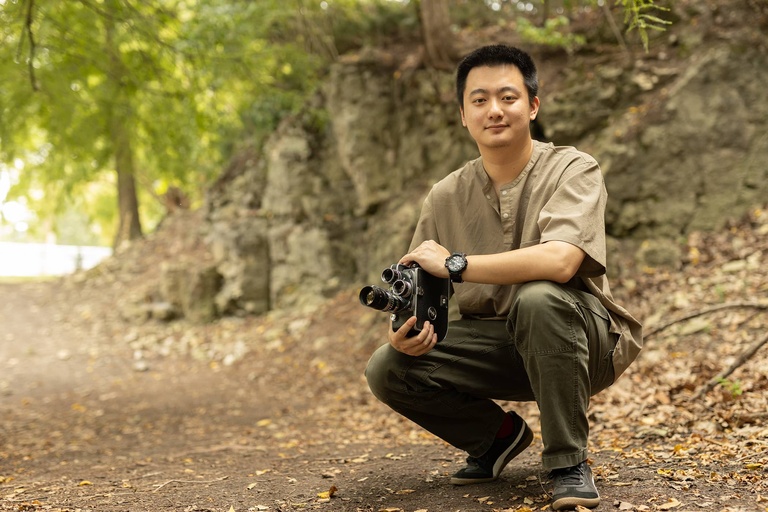
“Most of the national wealth was invested into the creating and construction of those caves,” Wang explains, “for having those caves as something presented as a symbol of the immortal, as a promise of the afterlife.”
An MFA student in the University of Iowa’s Department of Cinematic Arts, Wang uses experimental filmmaking techniques to create a dialogue between the ancient Northern Qi dynasty and the industry-centric Cultural Revolution, a sociopolitical movement that lasted from 1966 to 1976.
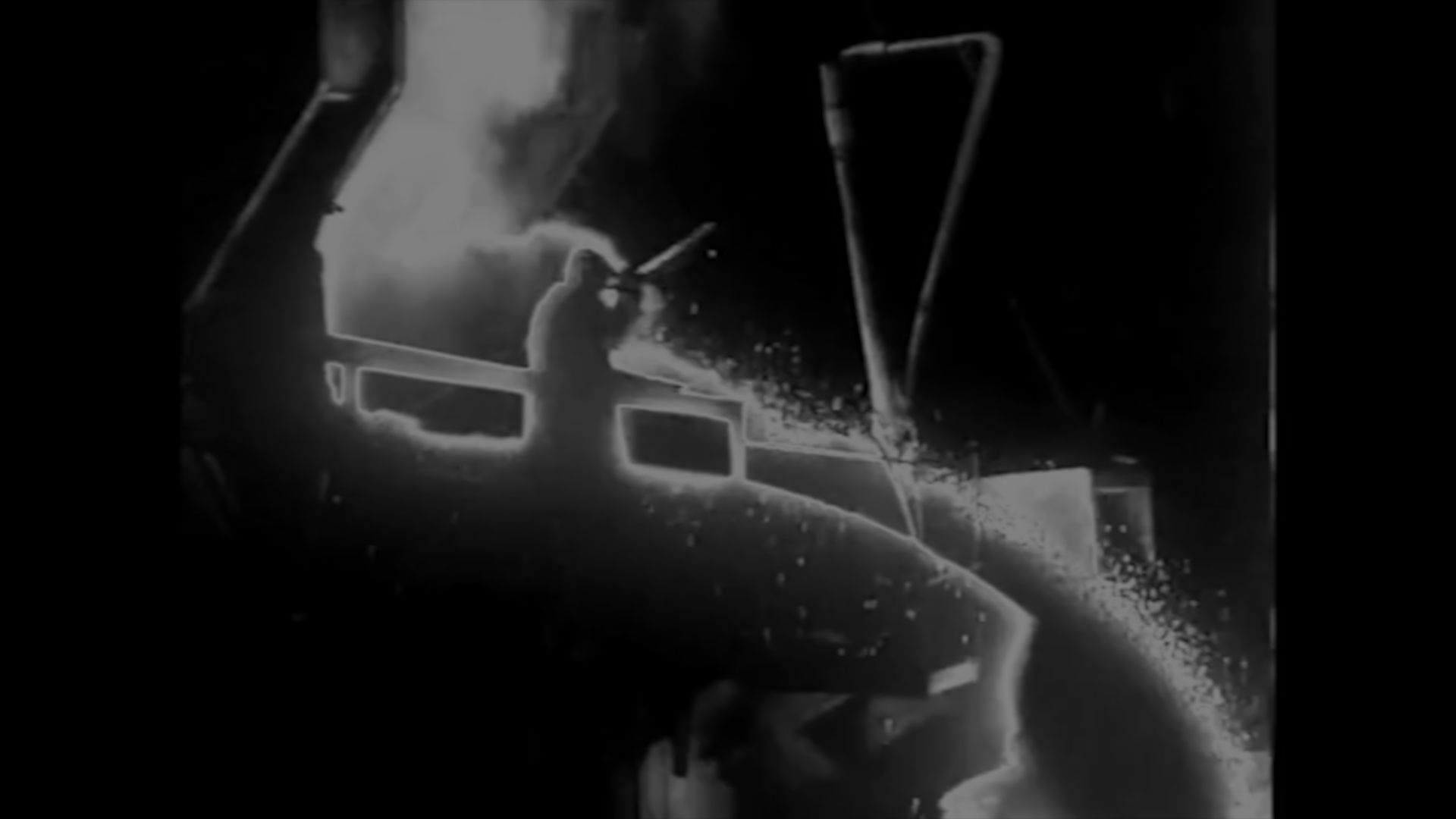
“There is idealization of workers, talking about the glory of the workers, and particularly, talking about steel spirit,” Wang explains. “People need to have the strength to be able to work as a unit—to work for the nation—but in return, they will have stability.”
However, much like the Northern Qi dynasty, the promise of Handan’s communist-era steel industry was fleeting, with its gradual decline continuing in Wang’s community today.
“There's some similarity between these two rapid booming and declining periods in history,” he notes. “There's a similar method of using idolatry and talking about materiality serving as a promise for stability of the region.”
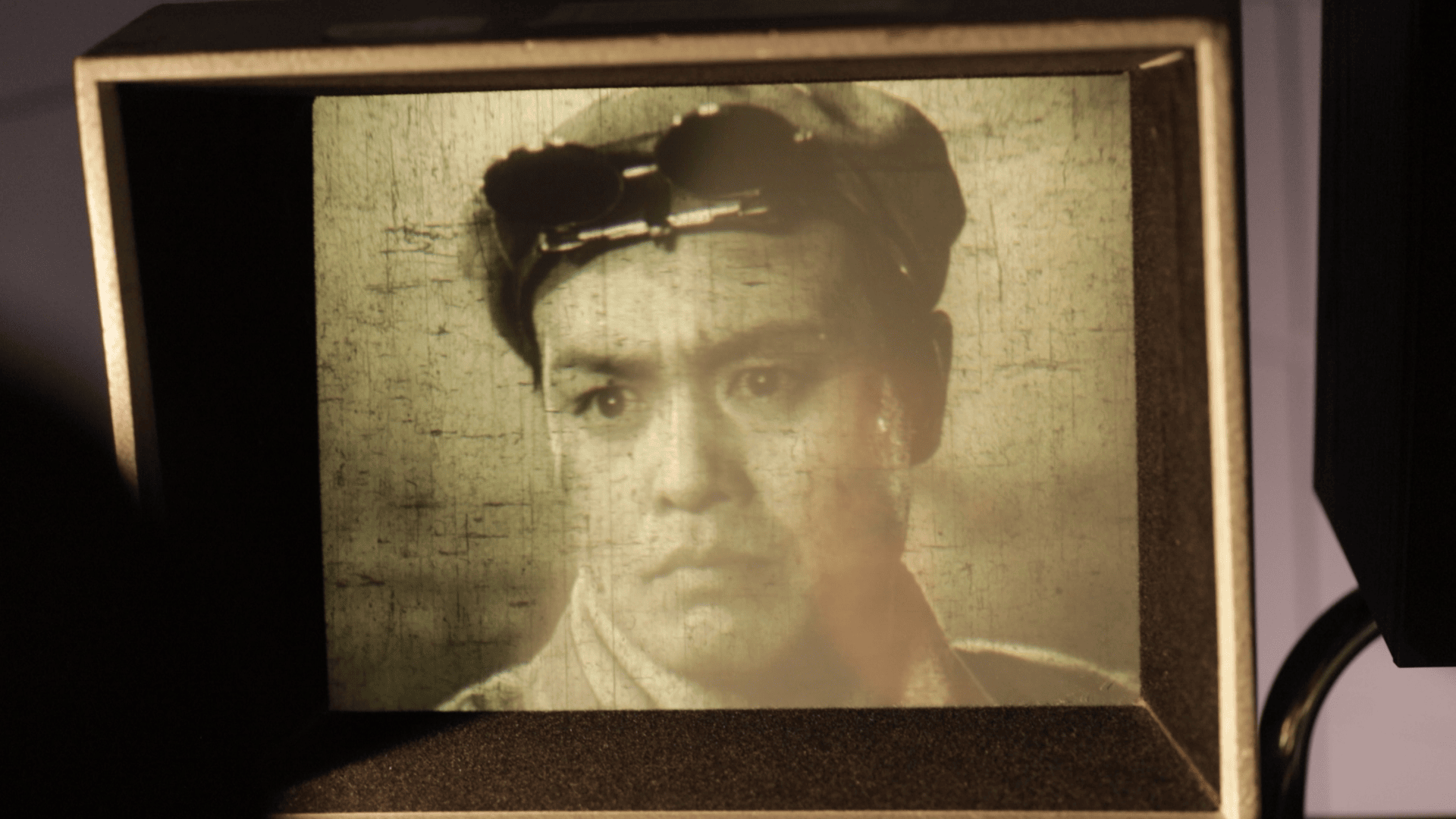
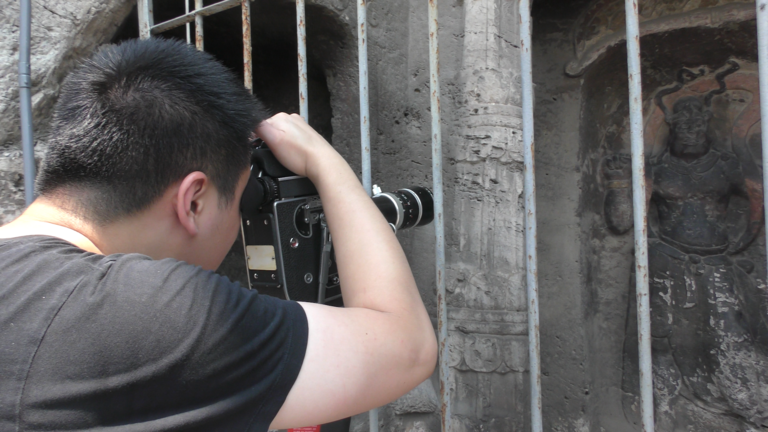
Wang uses this historical dichotomy as the theme of his thesis project. Working entirely in 16mm film, he blends his own footage with vintage propaganda footage. In 2024, Wang used an MFA Summer Fellowship to fly to his hometown where he filmed ancient Buddhist cave sculptures and relics and purchased a print of A Steel Giant, a 1974 propaganda film glorifying the era’s steel industry.
“I think what is interesting to me is I’m making everything on film,” he says, noting the lack of digital technology in his work. This approach to craft also creates a harmony between the vintage movie footage and his own contemporary footage.
Cinematic Arts at Iowa
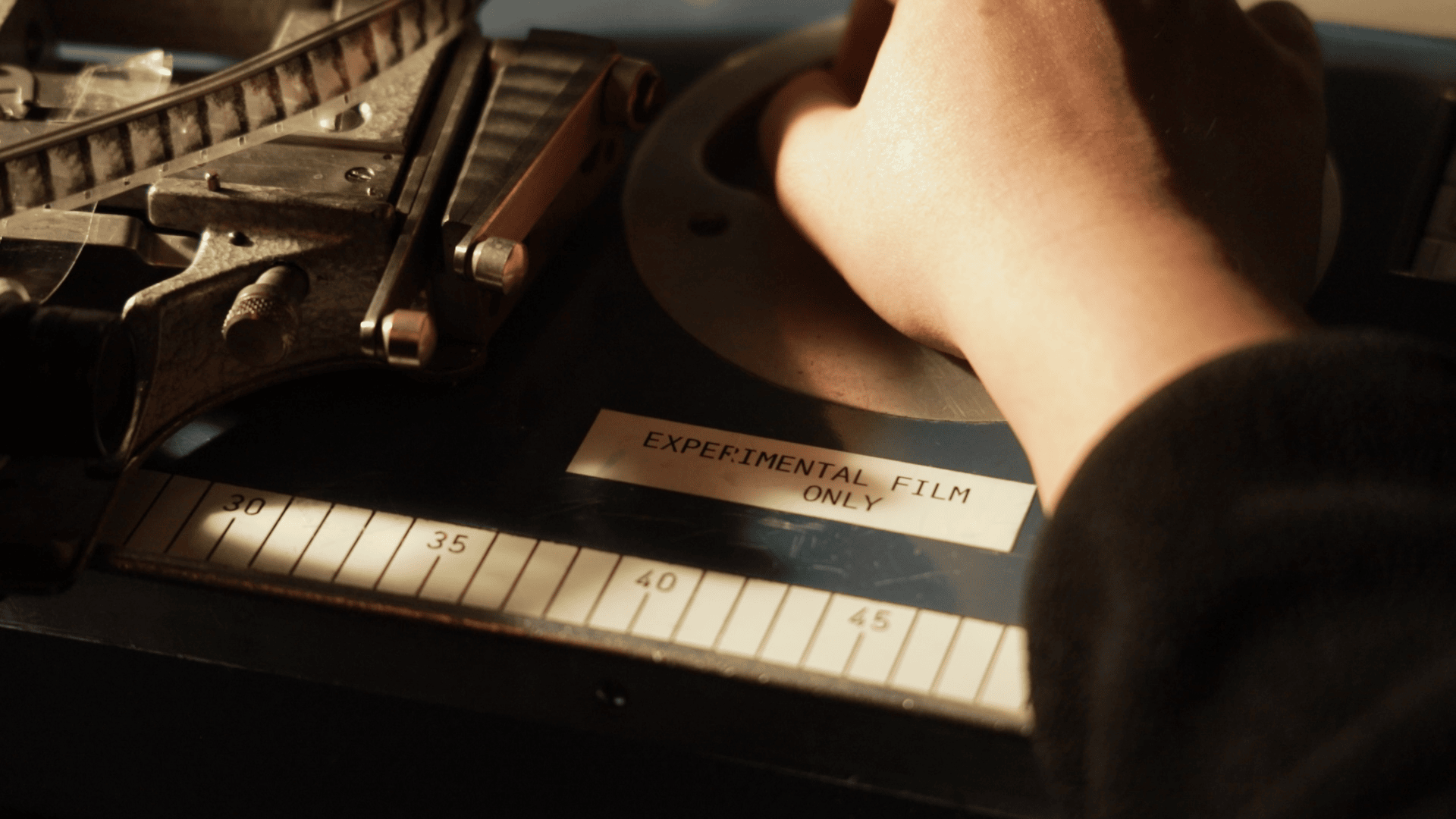
The University of Iowa’s Department of Cinematic Arts offers Wang a myriad of resources, and to enter its film editing studio is to step foot into an artistic space of a bygone era. A vintage Steenbeck film editing table and a JK optical printer are among the equipment enabling the MFA student to edit and experiment with his thesis film.
“I think we have a really strong tradition of experimental film here,” he notes, gesturing to the array of tools at his disposal.
In addition to equipment, Wang credits the opportunity to teach the course Modes of Film and Video Production and taking a film theory class among the most valuable aspects of Cinematic Arts at Iowa. He also cites the strong mentorship from his advisor, Associate Professor Hope Tucker.
“She has been really helpful, really caring for me as a student, but also caring about what I've been up to recently and the performance overall for me as a student, as a teacher, and as a filmmaker,” Wang says.
The Iowa City International Documentary Film Festival (ICDOCS), headed by Assistant Professor of Instruction Laura Gede, also offers students exposure to the diverse work of other filmmakers.
“She has been done a really good job bringing a lot of very interesting and cutting-edge works from all of the world to Iowa City,” Wang cites. “It is really a fortune and treasure for me to have this opportunity.”
The role of a film student
Wang says his thesis work allows him to reflect on the culture of Handan and that, as a filmmaker, it is his duty to study and question history.
“I think it's still a good time to keep this kind of history in our discussion, talking about a lot of the divisions of the issues we are facing today,” he says. “It's fascinating and helped me to understand my hometown and also the future of the city.”