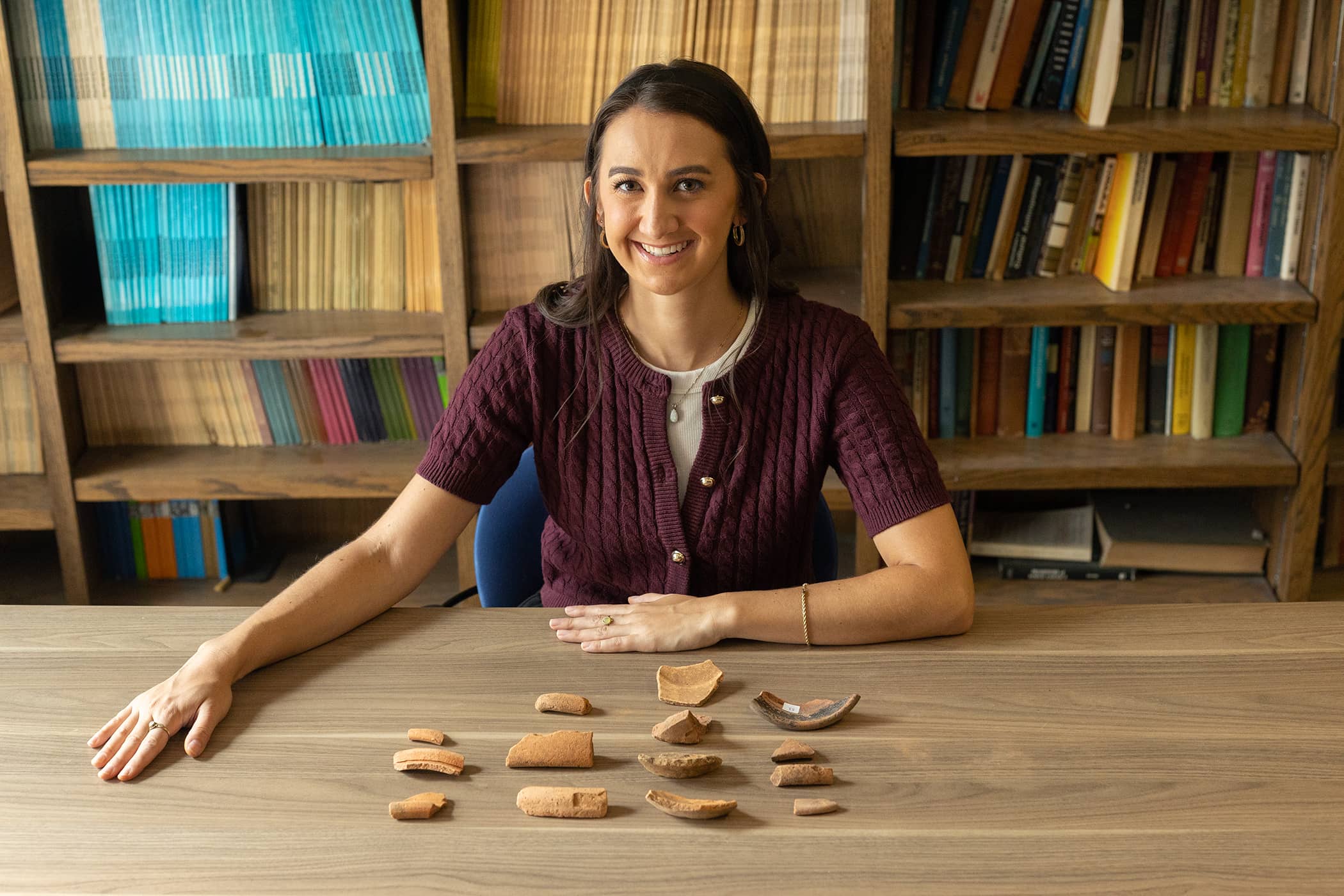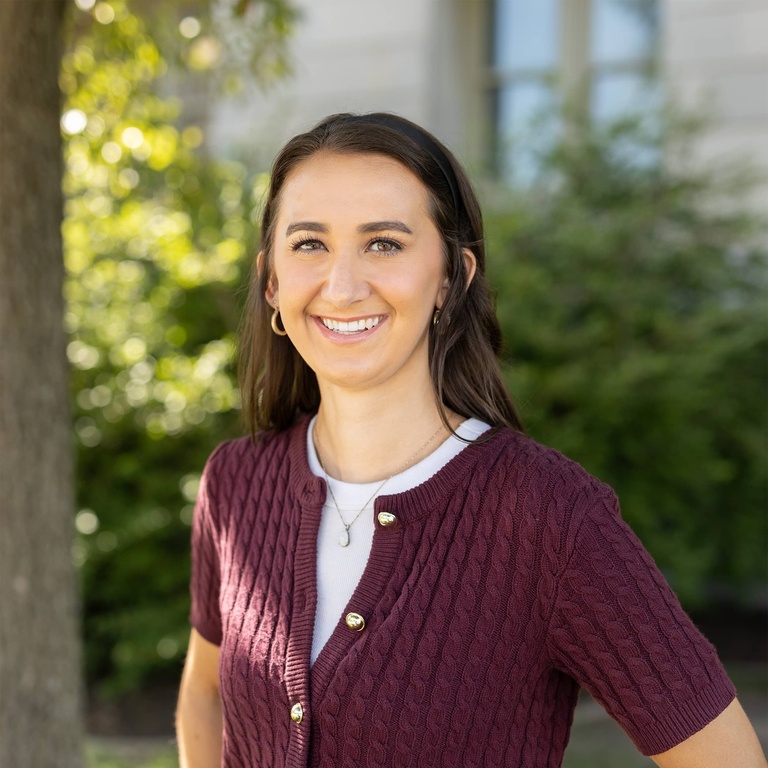
Connecting the daily lives of rural people to large-scale cultural change in 15th- and 16th-century Portugal is the cornerstone of Shannon Casey’s research.
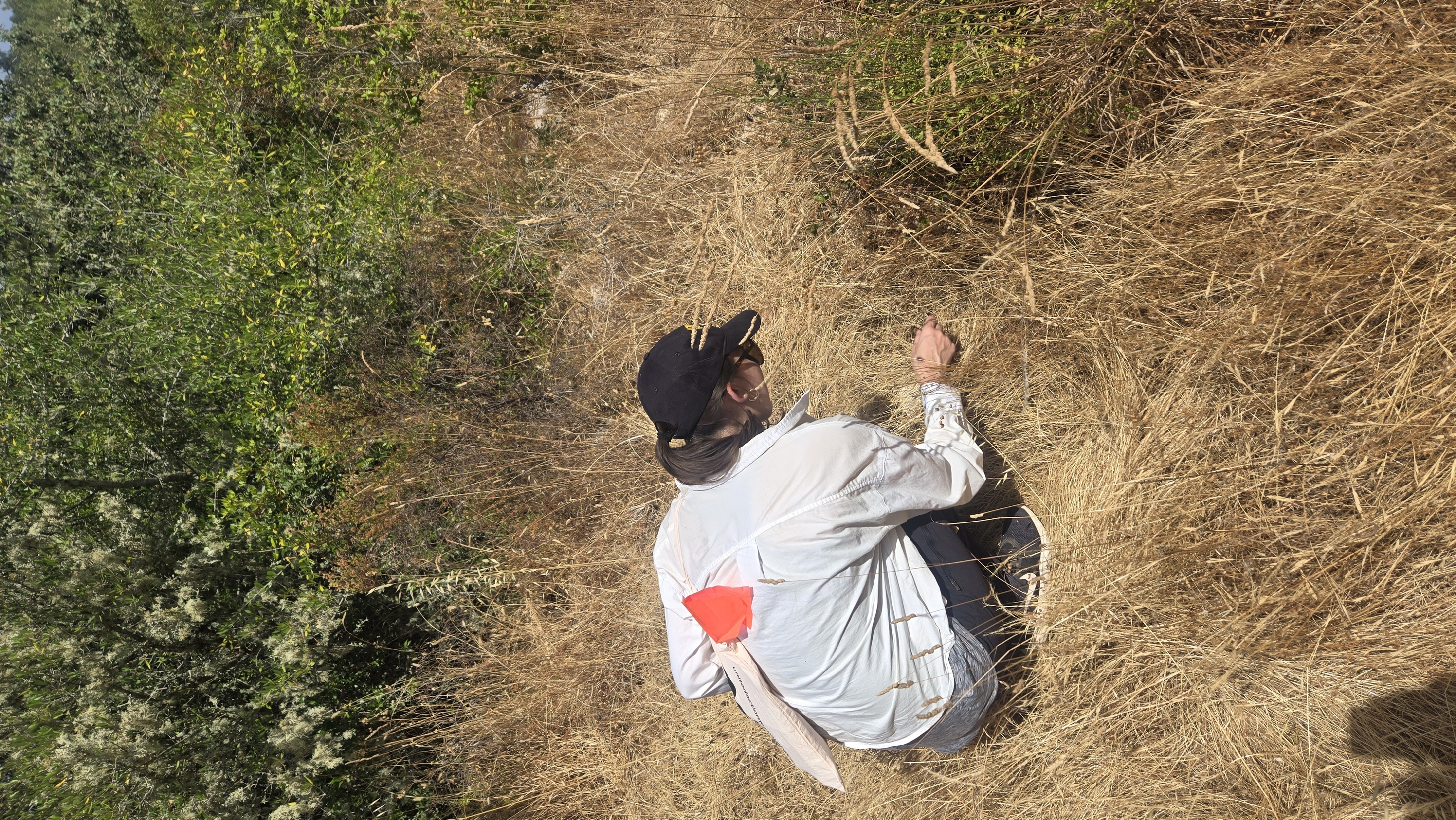
As a recipient of the Stanley Award for International Research, Casey, a second-year doctoral student in Anthropology traveled to Portugal this summer to excavate ceramic material at Agroal, an archaeological site in central Portugal.
“This is a rural site. It's not super flashy - there's not a big palace, but the people there are still important, and it’s interesting to see their story,” Casey says.
Casey’s advisor, Dr. Katina Lillios, professor of Anthropology stoked Casey’s interest in this site. Lillios’s early research at Agroal focused on the Bronze Age, but Casey turned her attention to a different epoch.
“In 15th and 16th Portugal [known as the Modern Period] about a third of the Portuguese population is on ships,” Casey explains. “What are the people who are still in the country doing? How are they connected to the cultural changes in Portugal?”
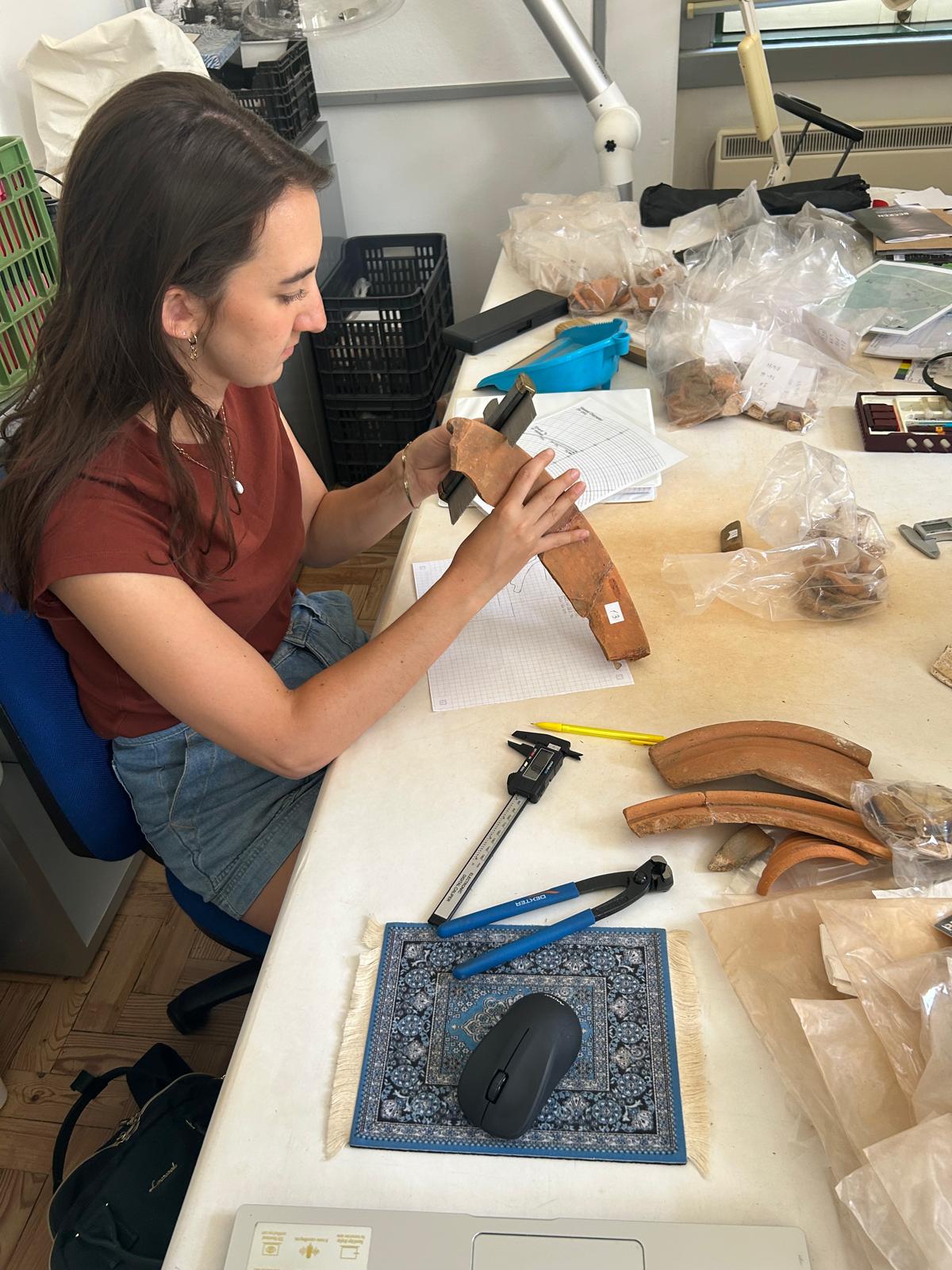
To study the lives of these rural people, Casey excavated ceramic material including jars, pots, and alguidares (wash bins) for identification and analysis. Within archaeology, pottery fragments are referred to as sherds.
“I did a lot of detailed documentation. I took photographs of the ceramic material, and I made rim sherd profile drawings, where you take the rim sherd of the ceramics and draw them,” Casey says. “I've also digitized those drawings for publication, to look at all of them in context.”
Examining this kind of material culture gives Casey clues into what daily life might have looked like for people living in this region during the Modern Period.
Ceramics have a personal connection for Casey whose grandmother owns a ceramics studio. “I grew up painting ceramics and entering them into fairs. I have a little bit of an understanding of what glazes look like, which was helpful in this research,” Casey says.
Turning to Portuguese locals
Casey’s work depends on the expertise of many Portuguese locals including scholars and researchers.
“I talked with lots of local people in the area and local researchers,” Casey says. “The local Portuguese people had a multitude of knowledge just from living in the area.”

In addition to the local people living in Agroal, Casey connected with geologists, historians, and archeologists who are also ceramicists to contextualize and expand her research.
“I've taken samples of the diagnostic pieces of pottery. Then I’ll do petrographic analysis to identify the minerals in them to see where they're coming from,” Casey explains. Casey’s collaboration with local geologists supported this part of the research.
“Some of the pots that we have look like they could be coming from places like Aveiro, which is pretty far North of the site. So, it's interesting to connect the small site to broader life in Portugal,” Casey says.
Casey’s excavation and analytic work was supported by field excursions to understand the land and available resources of the region.
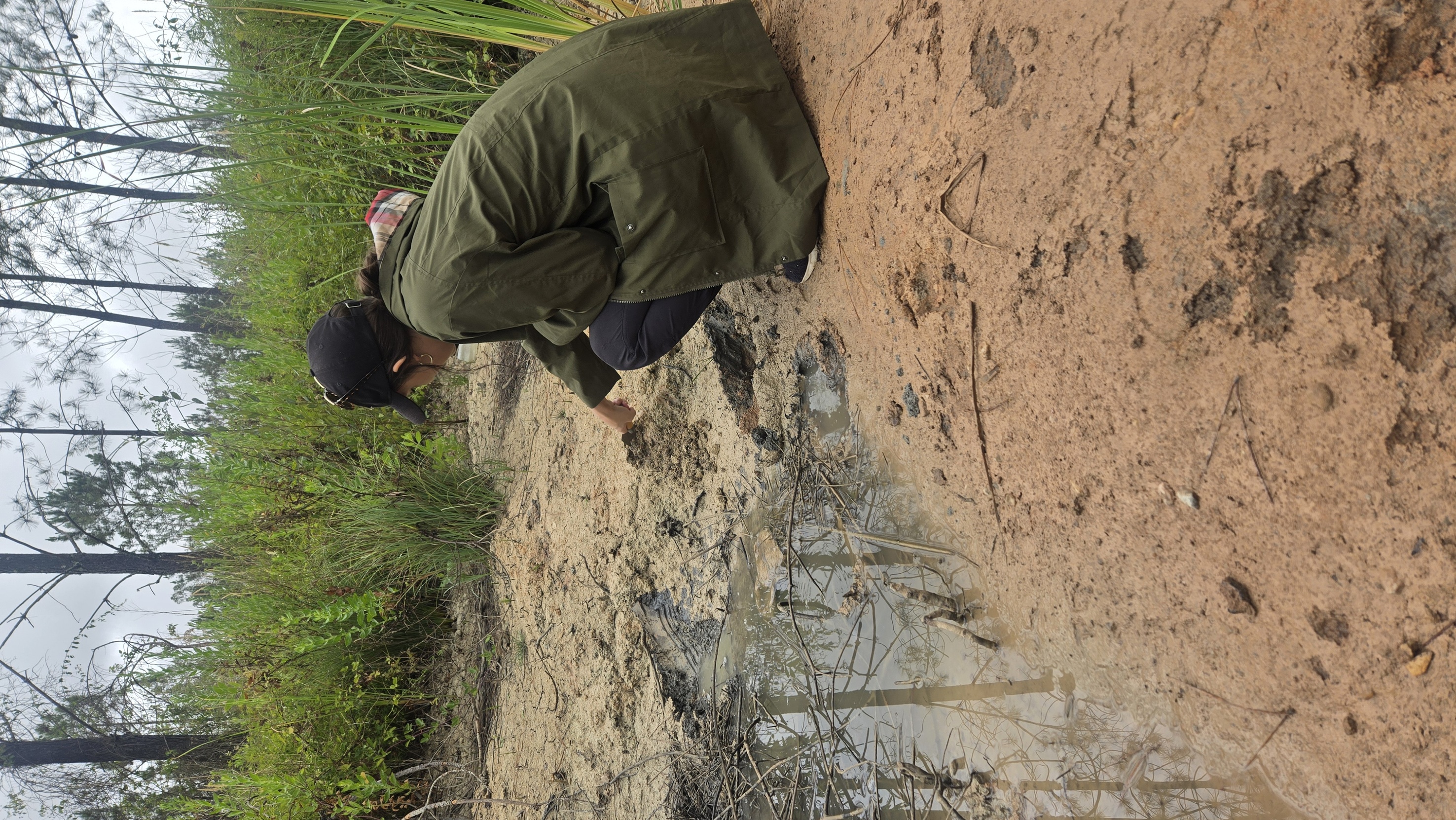
“One of the local geologists in the museum that we were working in took me out one day, and we went clay hunting,” Casey recalls. “I collected a bunch of local clays to look at their mineralogical and chemical analyzes to see, was there a potter during the Modern Period that was picking this clay?”
From Agroal to Iowa City
Casey’s research in Portugal was supported by the Stanley Award for International Research, which aids graduate students in pursuing creative and scientific research in international destinations.
Alongside the opportunity for data collection provided by the Stanley grant, the connections Casey built in Portugal will continue to support her throughout her doctoral studies.
“Getting to come to Portugal for six weeks and meet locals who live in the region, who work in the museum, who are researchers has been really beneficial,” Casey says. “I've made some important, lifelong connections that will help me if I want to come back and continue this work.”
Casey is excited to share her experiences from her summer research with her undergraduate students in the Fall. “I'm already looking forward to coming back from this experience and getting to share what I've done with my students in the classroom.”
In addition to connecting her summer research experience to her teaching practice, Casey hopes to share her experience through the Peer-to-Peer mentorship program.
“I participated in the Peer-to-Peer program last year, and I had a great experience. I want to give others what I received,” Casey says. “Grad school is a whole journey, so to be able to give back in some capacity is important to me.”